Architects Melbourne: Building Spaces for Modern Living
- caulfieldkrivaneka
- May 25
- 2 min read
Architects in Melbourne play an important role in designing and developing spaces that are functional, attractive, and suited to modern lifestyles. As Melbourne continues to grow as a major Australian city, architectural design has become increasingly important in shaping homes, workplaces, and public environments. From residential projects and commercial developments to renovations and mixed-use spaces, architects help transform ideas into practical and visually appealing outcomes.
The process of architecture involves more than simply creating building plans. Architects work closely with clients to understand their objectives, preferences, budget, and site requirements. They combine creativity with technical knowledge to produce designs that meet both aesthetic and functional goals. Careful planning at the early stages of a project can help ensure that the final result aligns with the client's expectations while meeting local building standards and regulations.
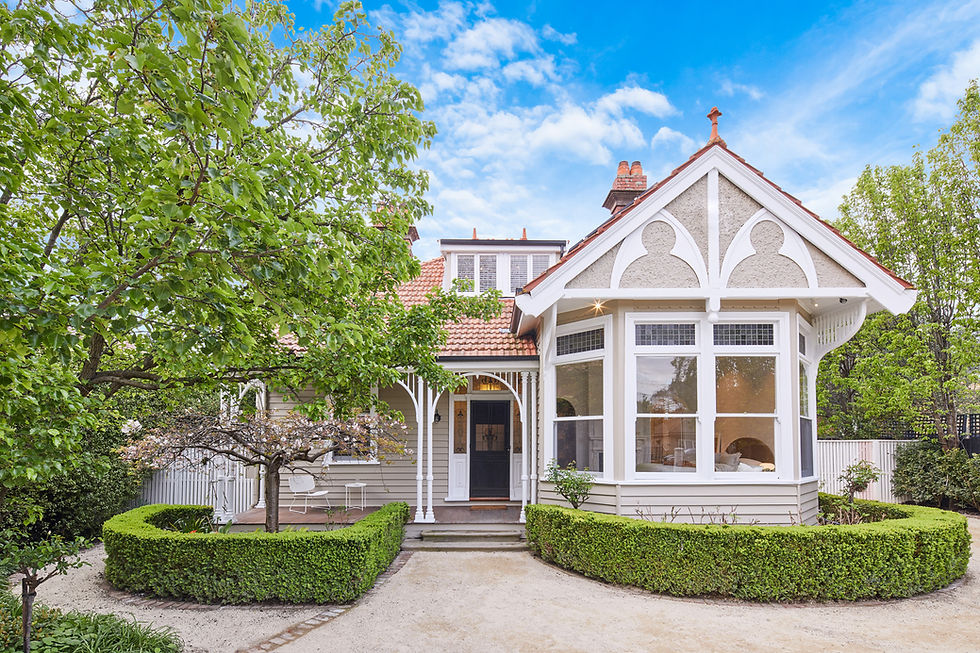
Melbourne is known for its diverse architectural character, blending historical influences with contemporary design trends. Many projects seek to preserve the charm of traditional structures while incorporating modern features that improve usability and comfort. Architects often create solutions that respect existing surroundings while introducing innovative elements suited to changing needs and lifestyles.
One of the key priorities in modern architectural design is efficient use of space. Whether working with compact city properties or larger developments, architects focus on layouts that maximise functionality. Considerations such as natural lighting, ventilation, room flow, and accessibility all contribute to creating spaces that feel comfortable and practical for everyday use. Effective design can improve both the appearance and usability of a property.
Sustainability has also become a major focus for architects Melbourne. Environmentally responsible building practices are increasingly being integrated into design strategies. Energy-efficient materials, passive design principles, improved insulation, and environmentally conscious construction methods are often included in modern projects. These features can help reduce energy use and support long-term environmental goals while improving living and working conditions.
Architects also provide support throughout the construction process by coordinating with builders, consultants, and local authorities. Their expertise helps streamline project management and reduce potential challenges. By combining innovation, planning, and functionality, architects in Melbourne continue to shape spaces that meet current demands while preparing for future growth and development.
Comments